Most homeowners think their roof starts and ends with the shingles they see from the ground. In reality, one of the most important parts of a healthy roofing system is something most people never see: the attic ventilation system.
At Browns Contractor Services, we regularly inspect homes where roofing problems are not caused by failing shingles at all. Instead, the root issue is poor attic ventilation. Ice dams, mold, excessive heat, moisture damage, and premature roof failure often begin inside the attic long before homeowners notice any visible signs.
One of the easiest ways to understand proper attic ventilation is through a simple analogy we use with homeowners. Think of your attic ventilation system as the nose, lungs, and mouth of your home. When all three work together properly, your attic can breathe. When one component fails, the entire system suffers.
The Nose: Soffit Vents
Every healthy attic ventilation system begins at the soffits.
Soffit vents act as the nose of the home by allowing fresh outside air to enter the attic space. This incoming air is essential because it creates the airflow necessary to move heat and moisture out of the attic. Without adequate soffit intake, the ventilation cycle cannot function properly.
Unfortunately, during our inspections we often find:
- Blocked soffit vents
- Insulation covering intake openings
- Improper vent installations
- Restricted airflow paths
- Older homes with inadequate intake ventilation
When soffit vents become blocked, the attic essentially loses its ability to breathe correctly. Fresh air can no longer enter the system, and moisture becomes trapped inside the attic space.
Why Soffit Ventilation Matters
Proper soffit vents help:
- Reduce attic temperatures
- Improve roof performance
- Minimize moisture buildup
- Increase insulation effectiveness
- Prevent condensation
- Extend shingle lifespan
- Improve energy efficiency
Without sufficient intake ventilation, even the best ridge vent system cannot perform as intended. The ventilation process always begins with fresh air entering through the soffits.
The Lungs: Attic Baffles
If soffit vents are the nose, then attic baffles are the lungs.
Baffles are installed between roof rafters and create a protected air channel that allows air to travel from the soffit vents up toward the ridge vent.
Their purpose sounds simple, but they play a critical role in the overall health of the roofing system.
Without properly installed attic baffles, insulation can shift or expand into the rafter bays and block airflow.
When this happens, the ventilation system becomes ineffective even if soffit vents and ridge vents are present.
What We Commonly Find During Attic Inspections
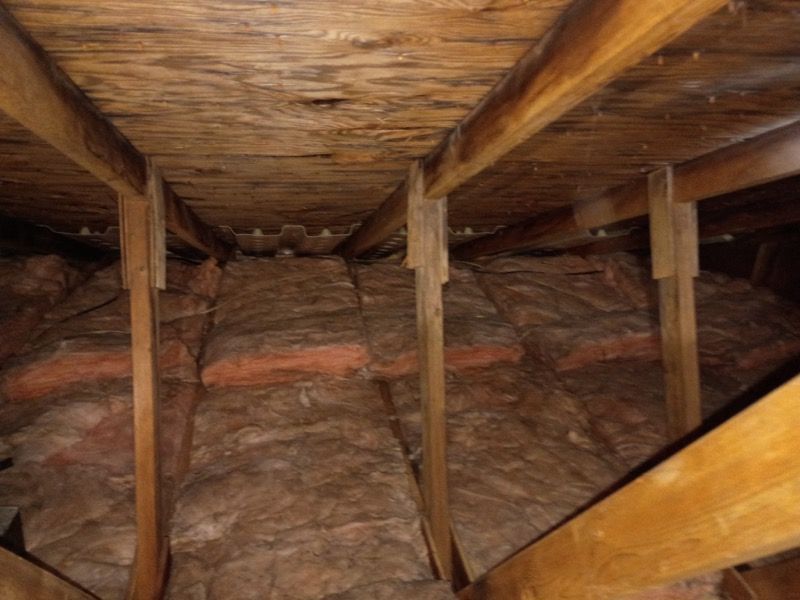
One of the most common issues we discover is insulation packed tightly against the roof deck. This creates several problems:
- Airflow becomes restricted
- Moisture remains trapped
- Roof decking stays damp longer
- Heat builds up in the attic
- Ice dam risks increase
Many homeowners assume they simply need additional insulation when the real problem is the lack of proper airflow.
Installing attic baffles helps ensure fresh air can move freely from the soffit intake through every rafter bay. This continuous airflow is critical for maintaining a healthy attic environment.
The Mouth: Ridge Vent Installation
Once fresh air enters through the soffits and travels through the attic channels created by the baffles, it needs somewhere to exit.
That is where the ridge vent comes in.
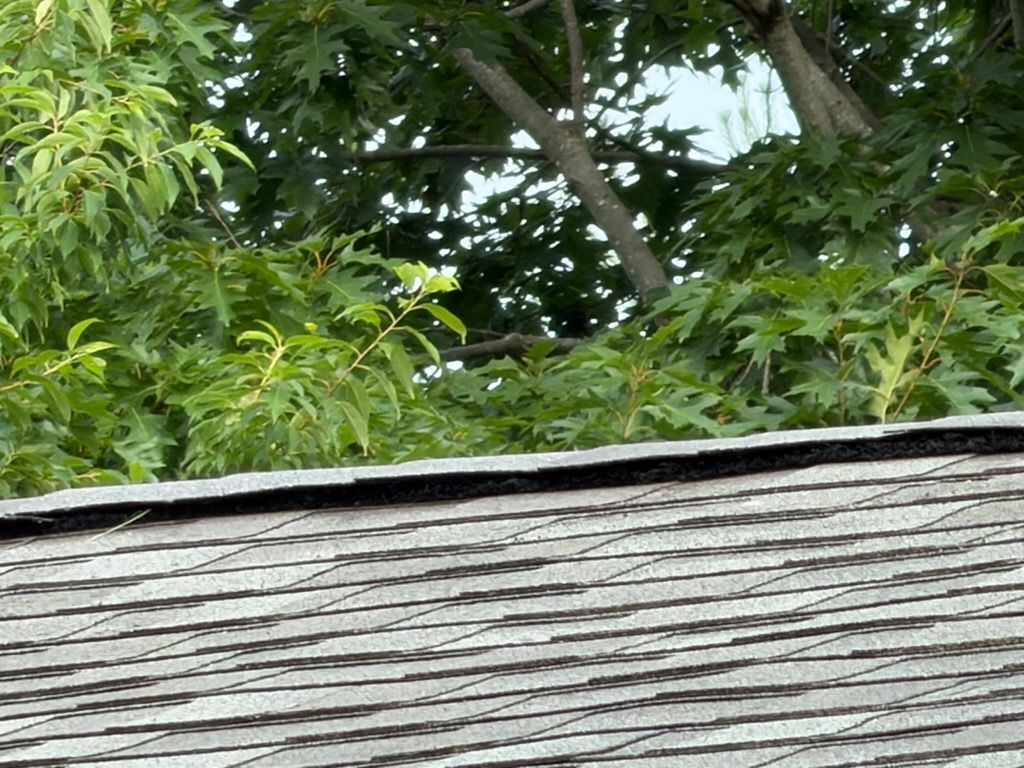
A properly designed ridge vent installation acts as the mouth of the roofing system. Warm air naturally rises. As it reaches the peak of the roof, it exits through the ridge vent and draws fresh air into the attic below.
This continuous movement creates a balanced ventilation cycle that operates year-round. When functioning correctly, ridge vents help remove:
- Excess attic heat
- Moisture vapor
- Humid air
- Condensation buildup
The result is a cooler, drier attic that supports the long-term health of the roofing system.
Why Balanced Attic Ventilation Is Critical
Many roofing issues originate from poor attic ventilation rather than defective roofing materials. When attic airflow is restricted, homeowners may experience:
Ice Dams
Warm attic air melts roof snow, which refreezes near the eaves and creates damaging ice dams.
Mold and Mildew
Moisture trapped inside the attic creates conditions that allow mold growth.
Condensation on Roofing Nails
During winter months, warm humid air condenses on cold metal fasteners, often creating what appears to be a roof leak.
Wet Insulation
Moisture can saturate insulation, reducing its effectiveness and increasing energy costs.
Premature Shingle Deterioration
Excessive attic heat can accelerate the aging process of roofing materials.
Roof Deck Moisture Damage
Long-term condensation can weaken roof sheathing and structural components.
Higher Energy Bills
Poor attic ventilation often forces heating and cooling systems to work harder throughout the year.
What Makes a Properly Ventilated Attic Different?
A properly ventilated attic works quietly in the background every day. Homeowners may never notice it, but the benefits are significant. A balanced attic ventilation system helps:
- Regulate attic temperatures
- Reduce moisture accumulation
- Improve indoor comfort
- Extend roof life
- Improve insulation performance
- Lower energy costs
- Protect structural components
When the nose, lungs, and mouth work together, the entire roofing system performs better.
Before & After: Real Attic Ventilation Projects
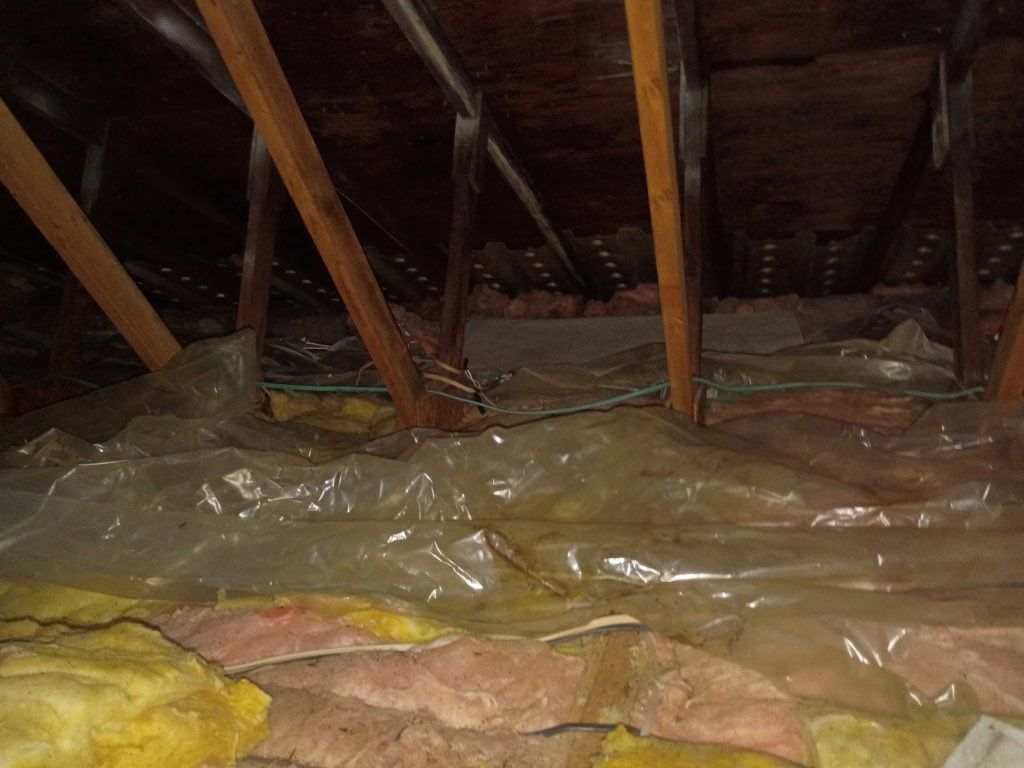
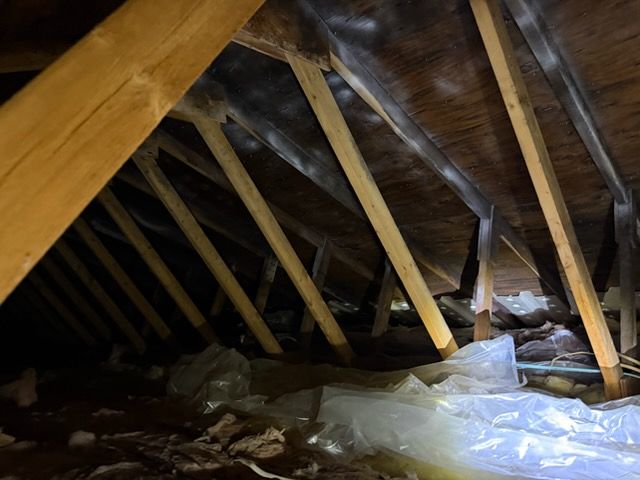
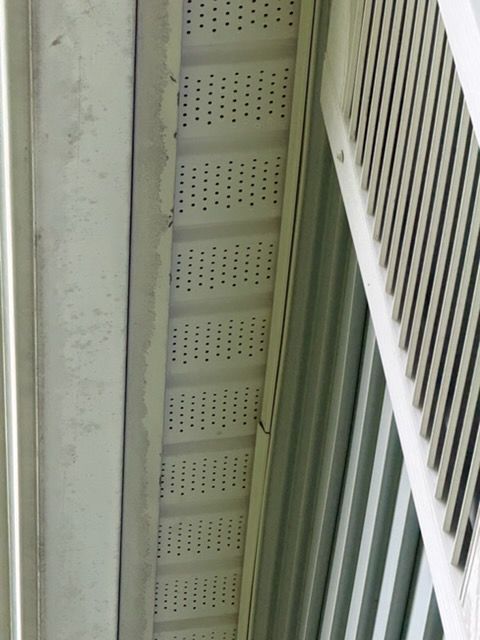
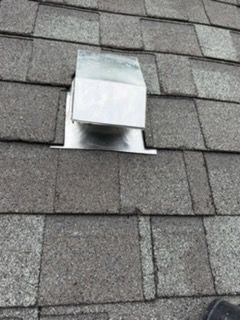
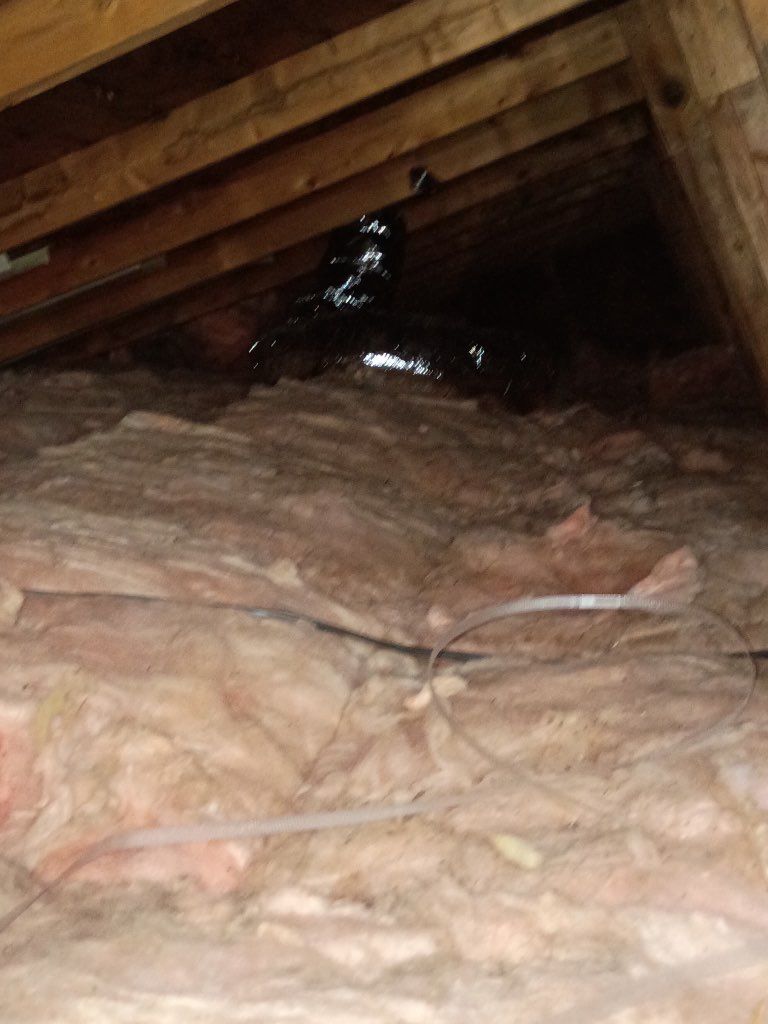
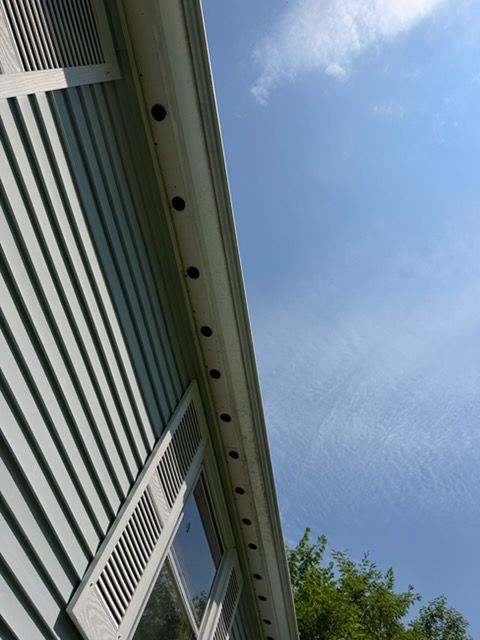
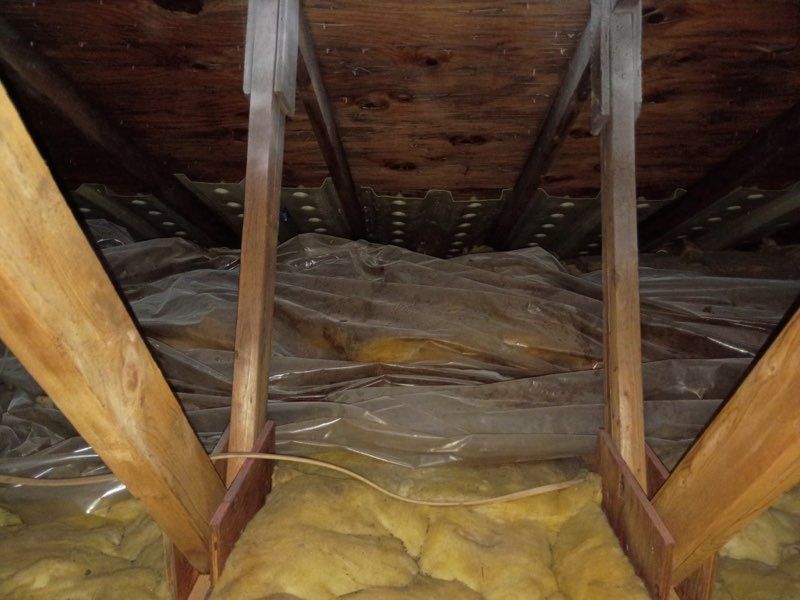
The photos below highlight conditions we regularly encounter during attic inspections and roofing projects.
You'll see examples of:
- Blocked soffit areas
- Restricted airflow paths
- Missing attic baffles
- Improper insulation placement
- Newly installed attic baffles
- Clear ventilation channels
- Soffit intake systems
- Ridge vent installations
- Proper attic airflow pathways
These images help demonstrate the dramatic difference between an attic that cannot breathe and one that is functioning as designed.
Browns Contractor Services Looks Beyond the Shingles
One of the biggest differences between simply replacing a roof and properly diagnosing a roofing system is understanding what happens beneath the shingles. At Browns Contractor Services, every roofing evaluation includes consideration of the attic environment, ventilation performance, insulation conditions, moisture levels, and airflow pathways. Many roofing problems can be traced back to ventilation issues that have existed for years. By identifying these concerns early, homeowners can make informed decisions that improve the performance and longevity of their entire roofing system.
Learn More About Attic Ventilation
If you suspect your attic may have ventilation issues, or if you're planning a roof replacement and want to ensure your home has proper airflow, Browns Contractor Services can help. Understanding how soffit vents, attic baffles, and ridge vent installation work together is one of the most important steps toward protecting your home from moisture damage, excessive heat, and premature roof deterioration.
Contact Browns Contractor Services today to learn more about attic ventilation, roofing system performance, and what a healthy attic should look like.