Many homeowners believe a low-slope roof replacement simply involves removing an old membrane and installing a new one. In reality, a high-performing roofing system is much more complex. A successful low-slope roof replacement is a complete assembly of components working together to keep water out, improve energy efficiency, and protect the building for decades. The visible membrane is only one part of that system.
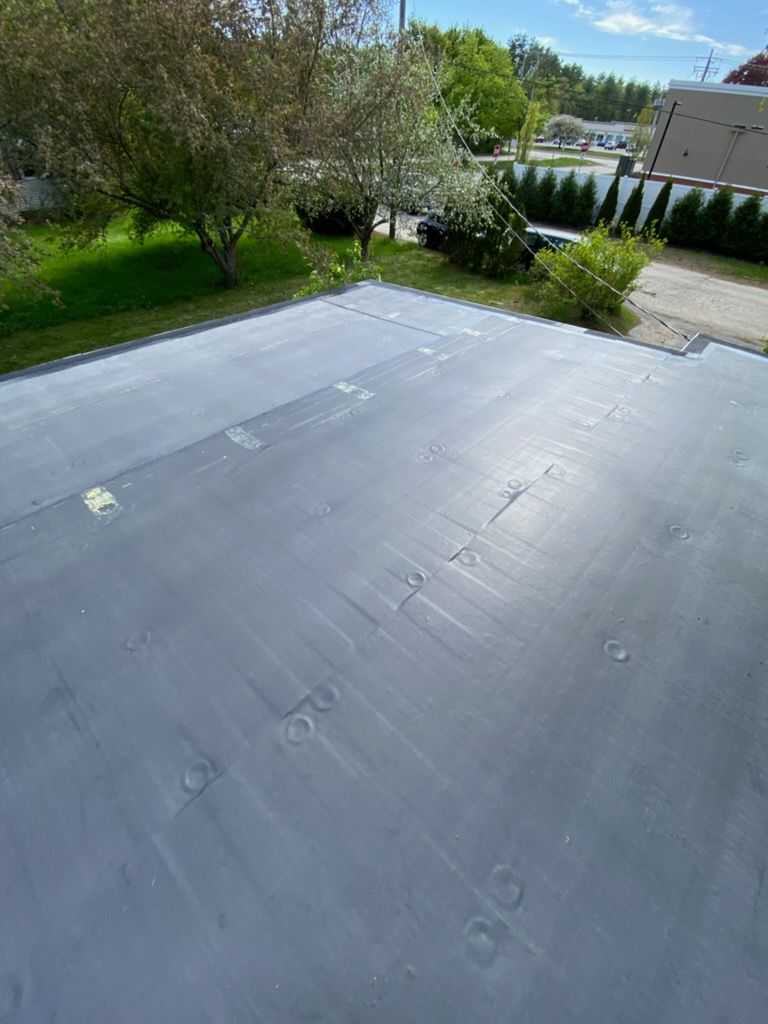
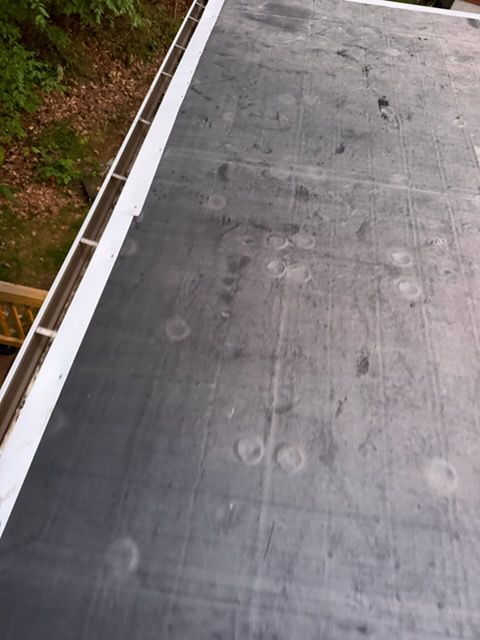
This project spotlight highlights a recent complete low-slope roof system upgrade completed by Browns Contractor Services. The project involved adding new insulation, installing a fully adhered 60-mil EPDM roofing system, modifying existing building components, and creating proper waterproof transitions throughout the roof assembly. The finished result was not simply a new roof—it was a significantly improved roofing system designed for long-term performance.
Understanding the Existing Roof Assembly
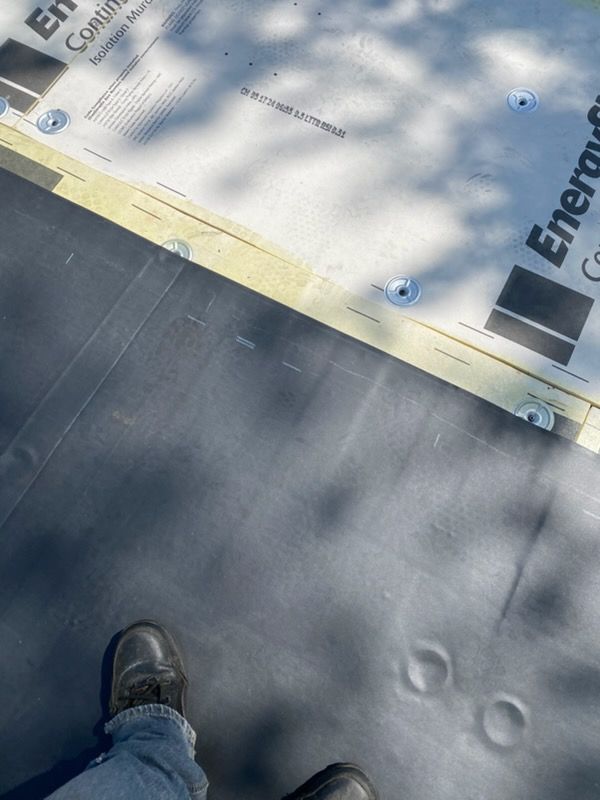
When our team began evaluating the roof, it quickly became apparent that the existing assembly was under insulated.
While the roof was still functioning, it lacked the thermal performance expected from modern roofing standards. Insufficient insulation can contribute to:
- Increased heating costs
- Reduced cooling efficiency
- Interior temperature fluctuations
- Condensation concerns
- Premature roofing deterioration
Many older low-slope roofs throughout New Hampshire were constructed with little or no insulation beneath the roofing membrane. While the roof surface may appear acceptable, the underlying assembly often falls short of modern energy-efficiency expectations. Before installing a new membrane, the insulation issue needed to be addressed.
Why Roof Insulation Matters in a Low-Slope Roofing System
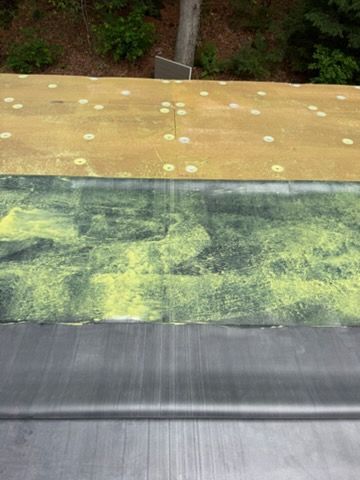
One of the most important aspects of this project involved installing 4 inches of PolyISO insulation before the new membrane was applied.
PolyISO insulation is widely recognized as one of the most effective insulation products used in commercial and residential low-slope roofing systems. It provides exceptional thermal resistance while creating a smooth, stable substrate for membrane installation.
By adding 4 inches of PolyISO insulation, the project achieved several important goals:
- Improved thermal performance
- Increased energy efficiency
- Better indoor comfort
- Reduced heat transfer
- Improved long-term roof performance
- Enhanced support for the roofing membrane
For homeowners considering a flat roof replacement, insulation upgrades can often provide benefits that continue for the life of the roof.
In many cases, the insulation beneath the roof has a greater impact on energy efficiency than the membrane itself.
Installing the New 60-Mil Fully Adhered EPDM Roofing System
Once the insulation package was completed, the roof was ready for installation of a new 60-mil fully adhered EPDM roofing system.
EPDM roofing has become one of the most trusted materials used on low-slope and flat roofing applications because of its durability, flexibility, and weather resistance.
A fully adhered EPDM system provides several advantages:
- Excellent waterproofing performance
- Strong wind resistance
- Long service life
- UV resistance
- Flexibility during seasonal temperature changes
- Reduced maintenance requirements
The fully adhered installation method creates continuous contact between the membrane and substrate, helping ensure consistent performance across the entire roofing system.
When properly installed, a quality EPDM roofing system can provide decades of reliable protection.
The Hidden Challenge: Roof Height Changes
One of the most overlooked aspects of a roof replacement project occurs when insulation thickness changes.
Because this project involved adding 4 inches of PolyISO insulation, the finished roof elevation increased by approximately four inches.
While that may not sound significant, even small changes in roof height can impact critical waterproofing details. A professional roofing contractor must evaluate how the new roof elevation affects nearby building components before installation begins.
Failing to address these conditions can create leaks and premature roofing failures even when a new membrane has been installed correctly.
Why the Existing Window Had to Be Raised
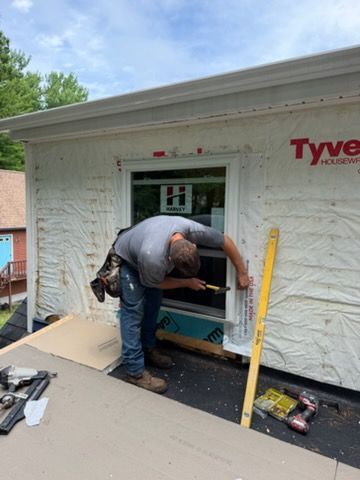
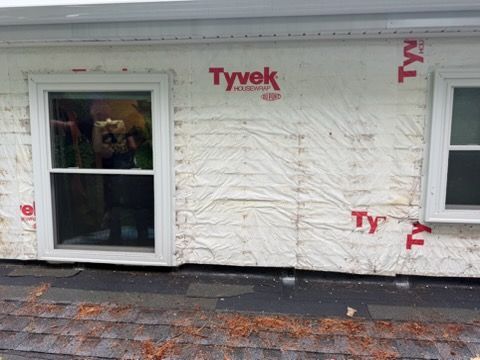
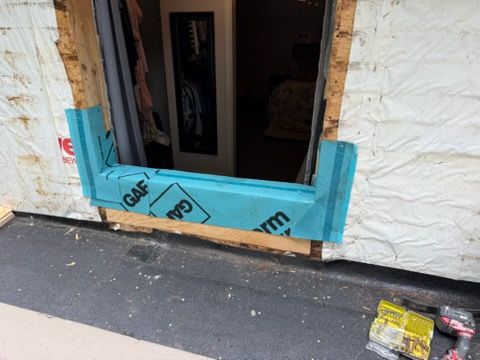
One of the most important modifications involved raising an existing window adjacent to the roofing system. Proper flashing height is critical for every low-slope roof assembly. Industry standards require roofing membranes and flashing systems to extend sufficiently up adjoining walls to prevent water intrusion. If a window is positioned too low after adding insulation, there may not be enough space to achieve proper flashing termination.
To maintain proper waterproofing standards, the window was raised to accommodate the new roof elevation and allow adequate EPDM flashing clearance.
This adjustment ensured:
- Proper flashing height
- Improved waterproofing protection
- Compliance with installation standards
- Reduced risk of future leaks
- Better long-term performance
This is an excellent example of why roofing systems must be viewed as complete assemblies rather than individual products.
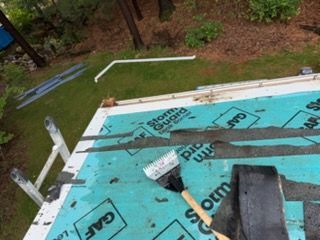
Adjusting the Downspout for Proper Drainage
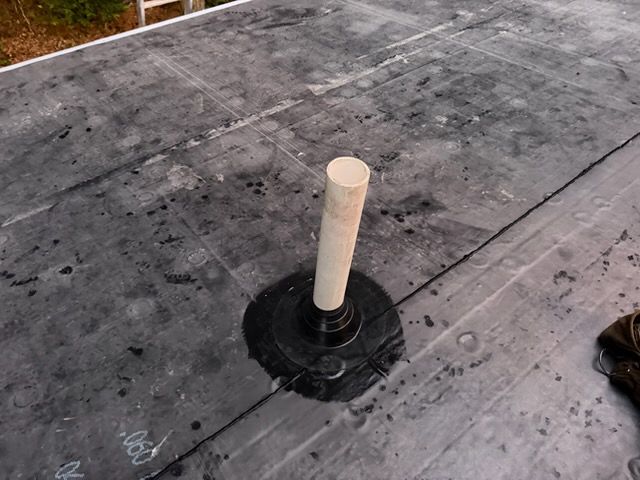
Another important aspect of the project involved modifying the existing downspout. Because the roof assembly was elevated by four inches, the original downspout location no longer aligned properly with the new roof system. The downspout was raised to accommodate the new roof height and maintain effective drainage performance.
Proper drainage is one of the most important components of any low-slope roofing system. Without it, standing water can increase wear on roofing materials and shorten the life expectancy of the roof.
By adjusting the downspout elevation, the drainage system remained fully functional and compatible with the upgraded roof assembly.
Waterproof Transitions: The Details That Matter Most
Homeowners often focus on the visible roofing membrane, but many roofing failures occur at transitions rather than in the field of the roof itself. Transitions include:
- Wall connections
- Window interfaces
- Drainage penetrations
- Mechanical penetrations
- Edge details
- Flashing terminations
For this project, all waterproof transitions were carefully completed to ensure the new roofing system functioned as a single integrated assembly. Attention to these details is often what separates an average roofing installation from a professional roofing system upgrade.
Water naturally seeks the path of least resistance. Proper transition details help ensure that path never leads inside the building.
A Low-Slope Roof Is a System, Not a Product
Perhaps the most important lesson from this project is that a low-slope roof should never be viewed as simply a rubber membrane. The membrane is only one component. Long-term roofing performance depends on the interaction between:
- Insulation
- Decking
- Flashing
- Drainage
- Waterproof transitions
- Penetration details
- Edge systems
- Roofing membrane
Ignoring any one of these components can compromise the entire assembly. A successful low-slope roof replacement requires careful planning, quality materials, and attention to every detail that contributes to the overall performance of the system.
The Finished Result
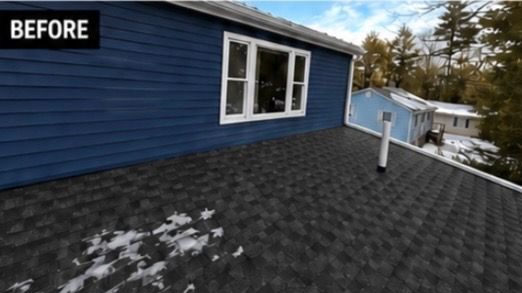
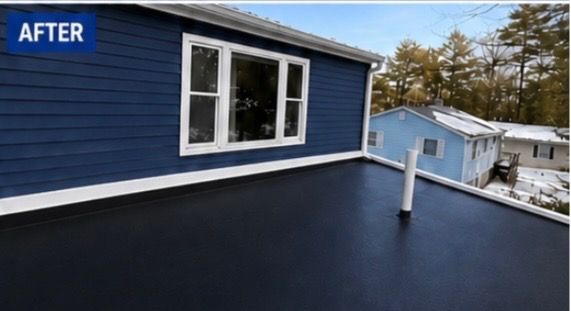
The completed project delivered a fully upgraded roofing assembly featuring:
4 inches of PolyISO insulation
New 60-mil fully adhered EPDM roofing system
Raised window for proper flashing clearance
Modified downspout for roof elevation changes
New flashing details
Waterproof transitions throughout the assembly
Improved thermal performance
Enhanced long-term durability
Most importantly, the project provided the property owner with a roofing system designed to perform efficiently and reliably for years to come.

Learn More About Low-Slope Roofing Systems
If you're considering a low-slope roof replacement, it's important to understand that the quality of the finished project depends on much more than the membrane itself. Insulation upgrades, flashing details, drainage design, and waterproof transitions all play critical roles in the performance of the roof.
For more information about EPDM roofing systems, roof insulation upgrades, or low-slope roof replacements, contact Browns Contractor Services to discuss your project and learn what makes a complete roofing system successful.