
Most homeowners have never heard of kick flashing, but it’s one of the most important water-management details on a roofing system. When installed properly, kick flashing helps direct water away from vulnerable wall areas and prevents runoff from traveling behind siding and trim. When it’s missing or improperly installed, water can slowly soak into the wall assembly for years before damage becomes visible.
As a roofing contractor, this is one of the most common causes of hidden rot I see during roof and siding inspections.
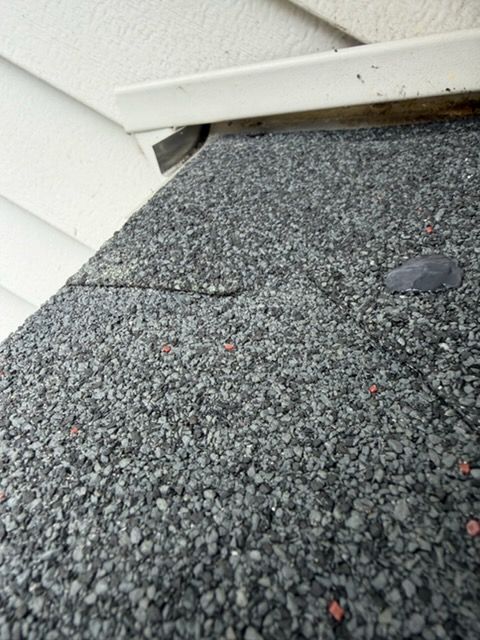
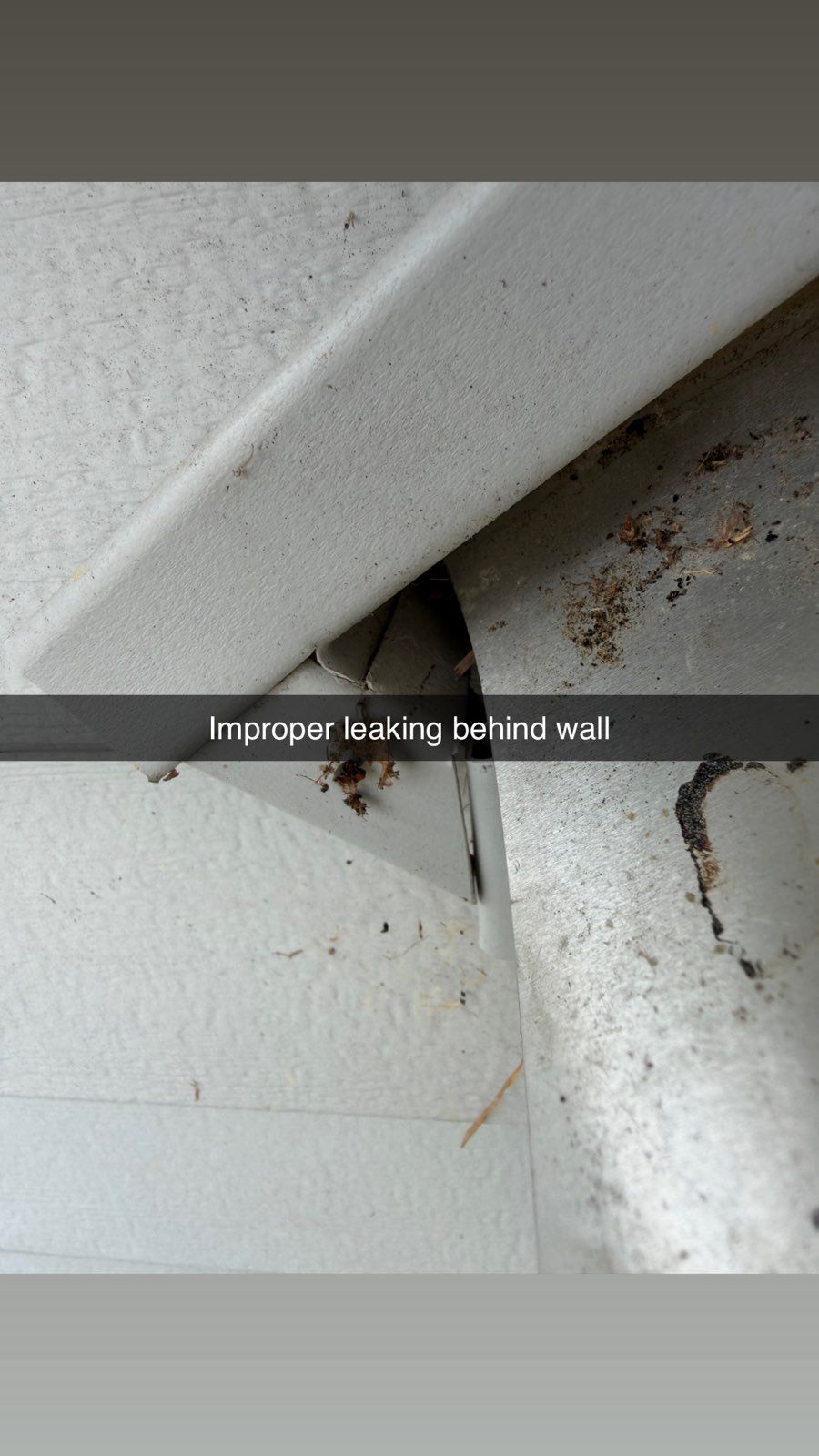
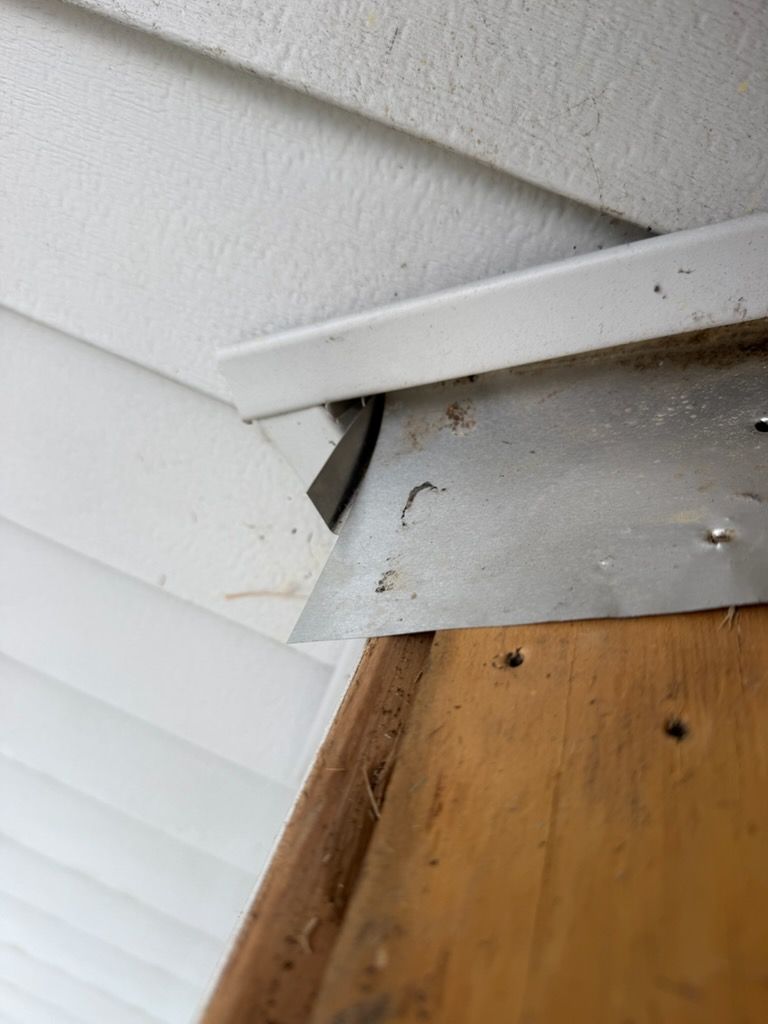
Problem: Missing or improper kick flashing allowing water to run behind the siding and trim instead of being directed safely away from the wall assembly.
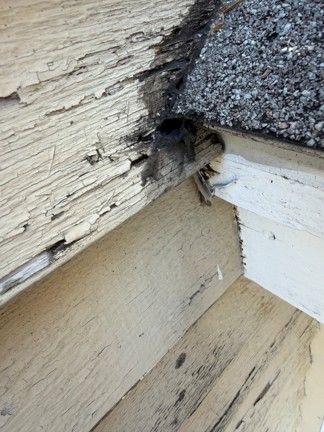
What Is Kick Flashing?
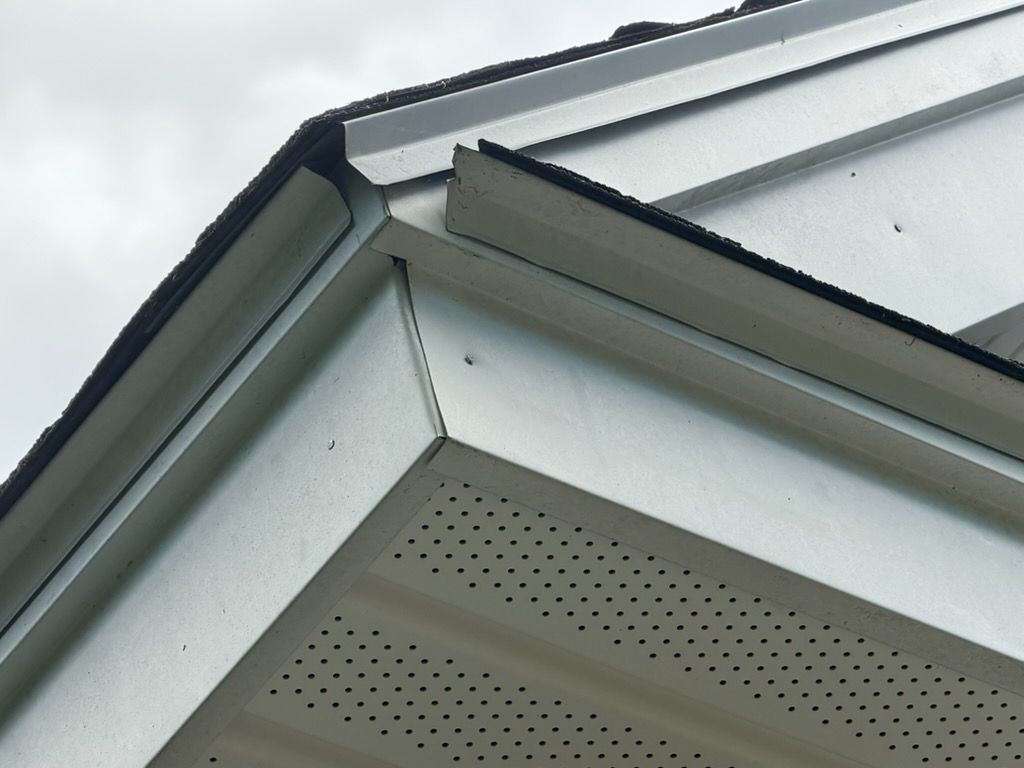
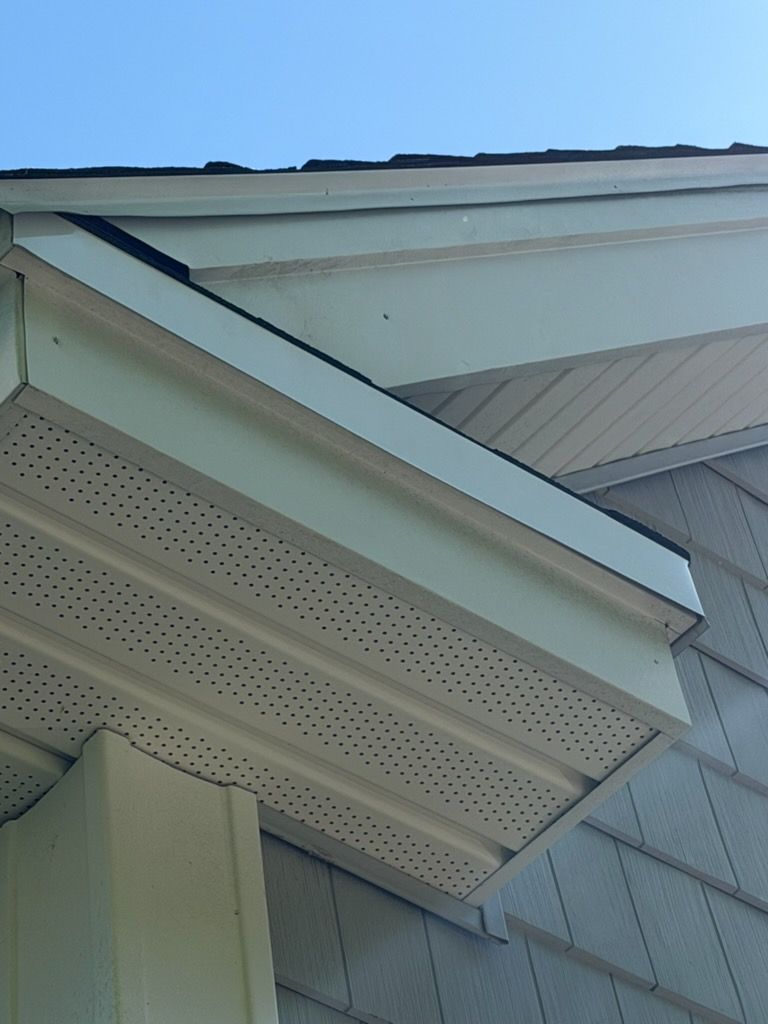
Kick flashing is a specially bent piece of flashing installed where a roof edge meets a sidewall near the bottom of a roof-to-wall transition. Its job is to direct water away from the siding and wall assembly instead of allowing runoff to continue behind exterior materials.
On homes with gutters, kick flashing often helps guide water toward the gutter system. On homes without gutters, it still plays a critical role by pushing concentrated runoff away from the wall surface and helping prevent moisture intrusion.
Without proper kick flashing, water can follow siding and trim due to surface tension and capillary action. Over time, this moisture can damage sheathing, rot framing, stain interior walls, and create mold issues behind finished surfaces.
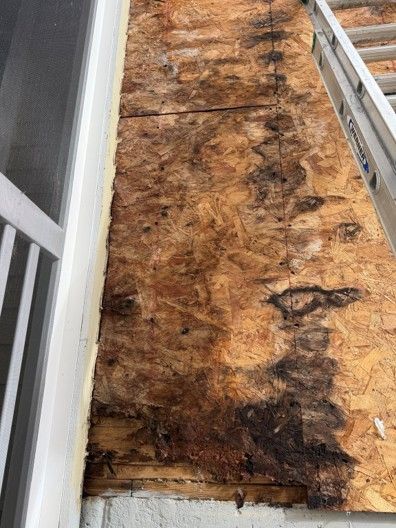
Damage:
Hidden structural rot and deteriorated sheathing discovered after removing exterior materials during repair work.
Why This Problem Is So Common
Many roofing crews either skip kick flashing entirely or install undersized pieces that don’t extend far enough away from the wall. In some cases, siding is installed too tight to the roof surface, making the problem even worse by trapping moisture where water should be draining freely.
Homeowners usually do not notice the issue immediately because the damage often happens slowly behind the siding. By the time staining, swelling, or soft wood becomes visible, the underlying wall structure may already have significant moisture damage.
This is one reason roof-to-wall transitions should always be inspected carefully during roofing or siding projects.
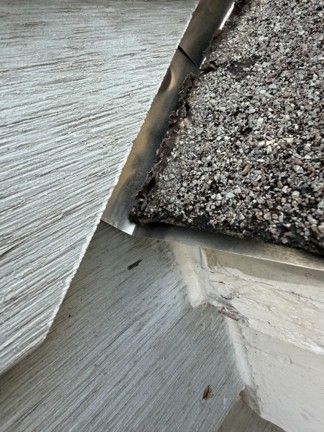
Fix: Properly installed kick flashing directing water safely away from the siding and roof-to-wall transition.
Common Signs of Missing Kick Flashing
- Rotting siding near roof-to-wall intersections
- Peeling paint or swollen trim boards
- Water stains below roof transitions
- Moss or excessive moisture buildup in concentrated areas
- Soft sheathing discovered during siding replacement
- Interior staining appearing near exterior wall corners
- Repeated leaking during heavy wind-driven rain
Why Caulking Is Usually Not the Answer
One of the biggest mistakes I see is relying on caulking instead of correcting the actual water-management problem.
While sealants can help in certain situations, they should never replace proper flashing design. Caulking eventually dries out, cracks, shrinks, or separates due to weather exposure and seasonal movement. Once that happens, water simply finds its way back into the same vulnerable areas.
A properly designed roofing system should shed water naturally using layered flashing and drainage principles instead of depending entirely on exposed sealants to stay watertight.
The Correct Repair Approach
The proper repair depends on the amount of existing damage, but typically includes:
- Removing siding near the affected area
- Inspecting sheathing and framing for rot
- Installing properly sized kick flashing
- Verifying correct step flashing integration
- Ensuring siding maintains proper clearance from the roof surface
- Correcting drainage issues contributing to water concentration
In some situations, minor repairs may be enough. In more severe cases, wall framing and sheathing may need to be replaced before the exterior can be properly rebuilt.
Why Small Flashing Details Matter
Roofing systems are designed to move water safely away from vulnerable areas. While shingles often get most of the attention, many major leaks and hidden rot problems actually begin at transitions, penetrations, and flashing details. Kick flashing may seem like a small piece of metal, but small details are often what separate a roofing system that lasts for decades from one that quietly causes hidden structural damage over time.
Homeowners planning a roofing or siding project should always ask contractors specifically about roof-to-wall flashing details and how water will be directed away from vulnerable wall areas.