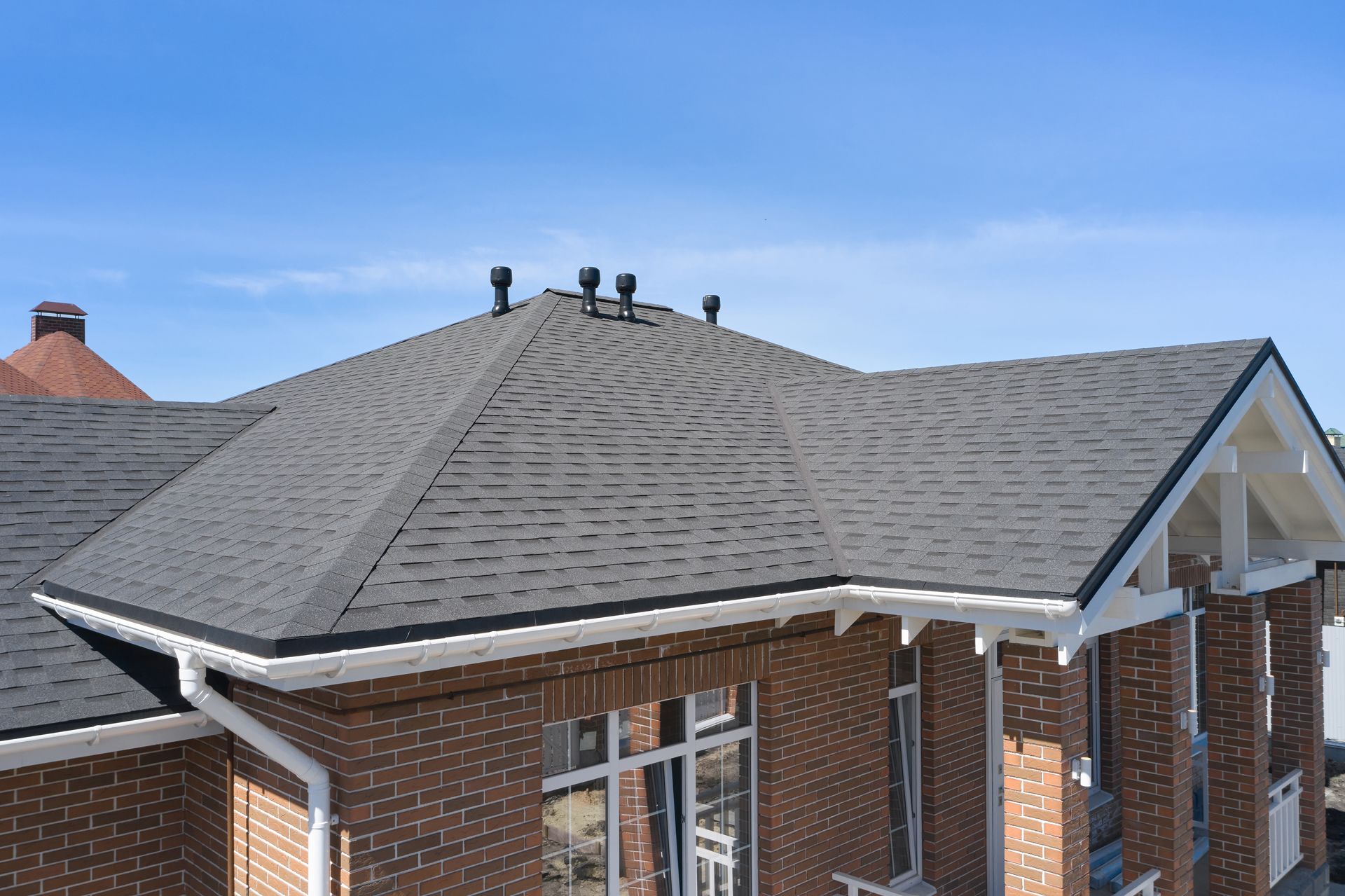
Hidden Installation Mistakes Can Lead to Major Structural Damage
One of the most common causes of roof leaks isn't worn-out shingles or storm damage. It's improper flashing where different parts of the roof system meet.
This project is a perfect example of how a small installation mistake can quietly cause years of hidden damage before a homeowner ever notices a problem inside the home.
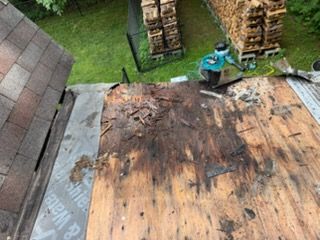
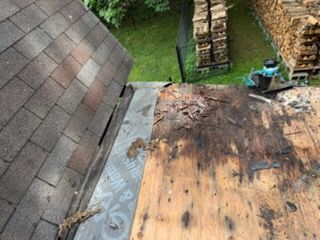
When we arrived at this property, the homeowner was dealing with an ongoing leak near a long roof-to-wall transition. At first glance, the roofing materials appeared relatively normal from the ground. However, once we began the tear-off process, the true extent of the damage became clear.
What we discovered underneath highlights why proper roof-to-wall flashing is one of the most important components of any roofing system.
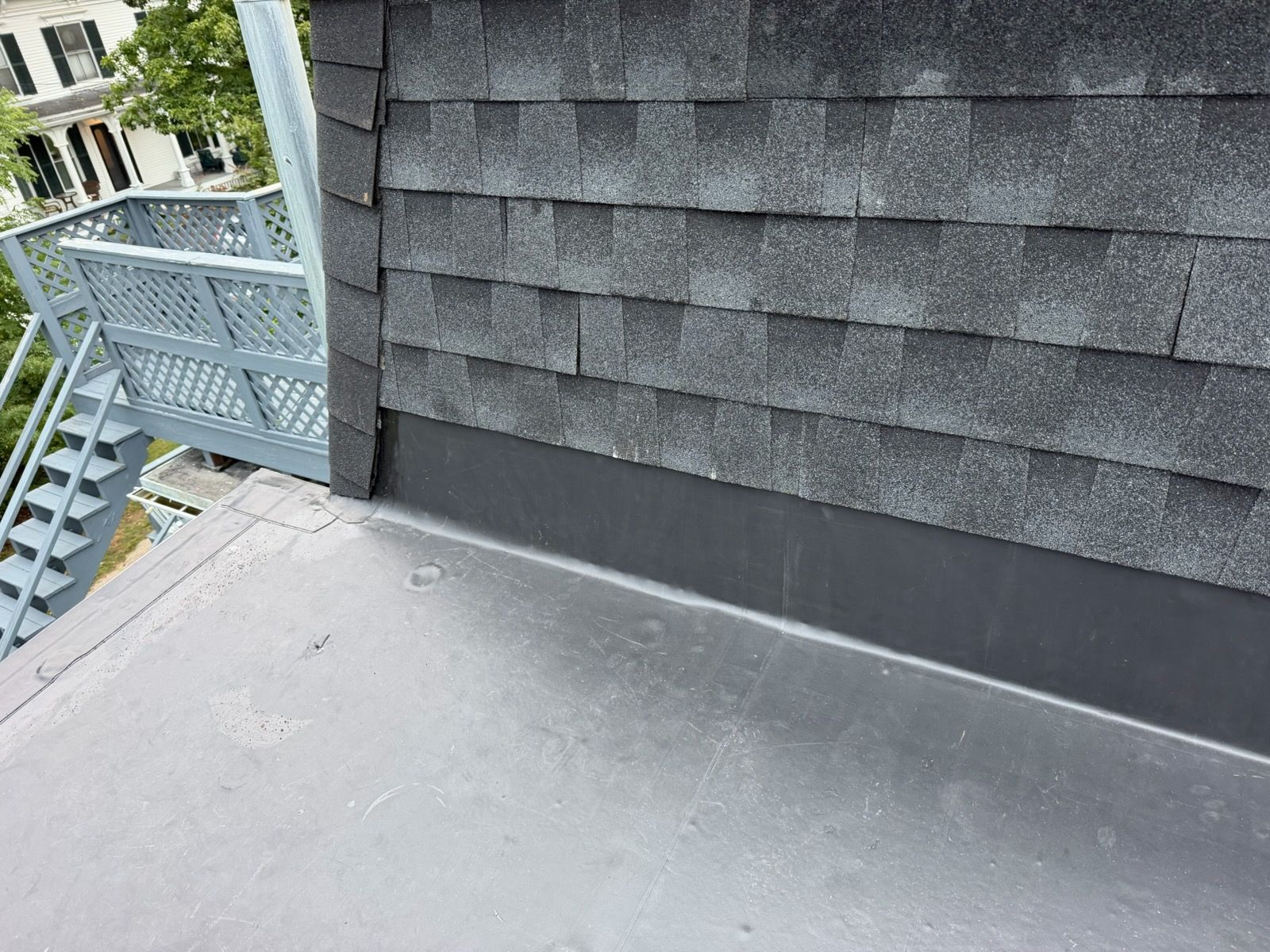
The Problem: A Roof-to-Wall Transition Installed Incorrectly
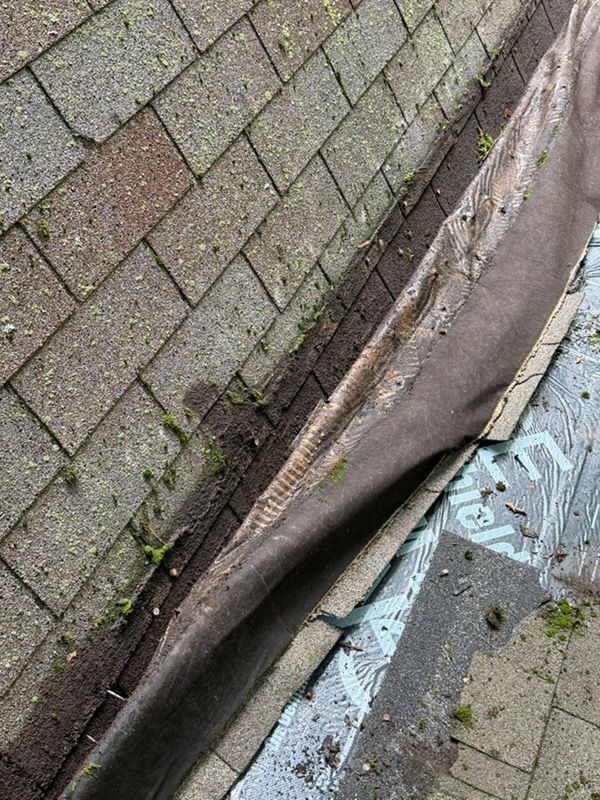
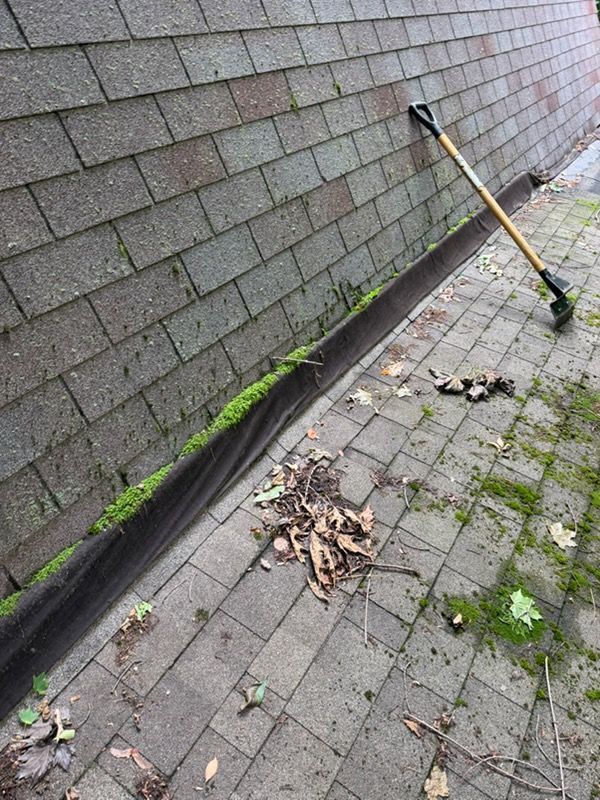
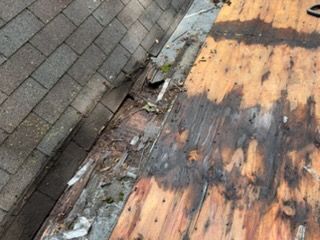
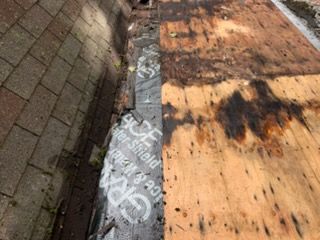
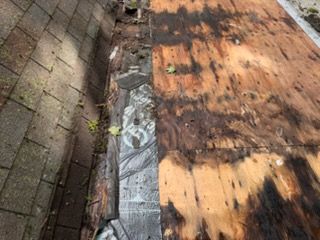
During our inspection, we found that a previous installer had attempted to waterproof the roof-to-wall transition by running membrane material over the existing shingles rather than installing a properly flashed assembly. While this may have appeared effective initially, it created a condition where water, debris, and organic material could become trapped against the wall.
Over time:
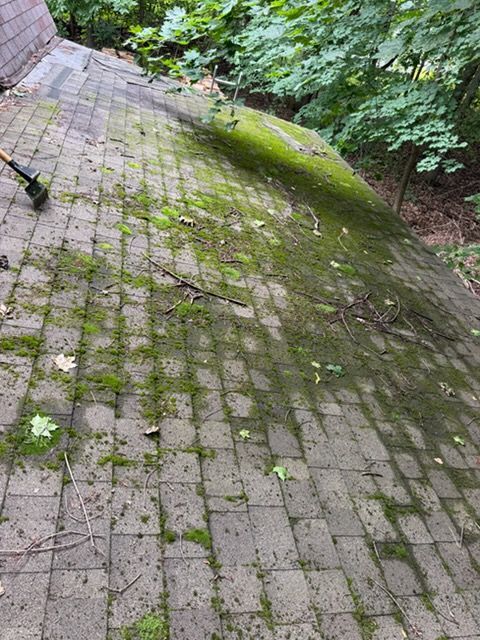
- Leaves and debris accumulated along the transition
- Moss and organic growth developed
- Water remained trapped against roofing materials
- Moisture penetrated beneath the roofing system
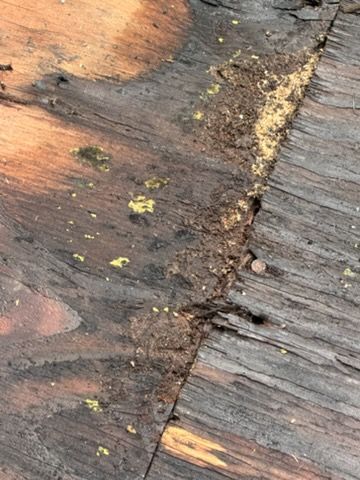
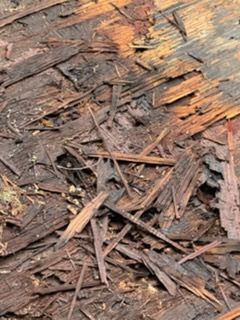
- Roof decking began to deteriorate
- Structural framing started to rot The most concerning part?
The most concerning part? The damage remained hidden for years before becoming visible inside the home.
Why Shingles Alone Do Not Waterproof a Roof
Many homeowners assume that shingles are what keep water out of a house. In reality, shingles are designed primarily to shed water.
A properly functioning roof relies on multiple layers working together:
- Shingles
- Underlayment
- Flashing
- Ice and water protection
- Proper drainage pathways
- Ventilation systems
Shingles are the first line of defense, but they are not designed to create a waterproof seal at transitions, penetrations, walls, chimneys, skylights, or valleys.
Those areas require flashing.
Without properly installed flashing, water can find pathways beneath the roofing materials regardless of how new the shingles may be.
This is why many roof leaks occur around walls, chimneys, dormers, and roof intersections rather than in the middle of a roof field.
What Is Roof-to-Wall Flashing?
Roof-to-wall flashing is a system of metal components designed to direct water safely away from vulnerable intersections where a roof meets a vertical wall.
Its purpose is simple:
Keep water moving downhill and away from the structure.
Proper flashing creates a controlled pathway that prevents water from:
- Entering behind siding
- Reaching roof decking
- Penetrating framing members
- Becoming trapped in roofing assemblies
When flashing is installed correctly, gravity does most of the work.
When flashing is omitted or installed incorrectly, water eventually finds a way inside.

Why Membranes Are Not a Substitute for Flashing
One of the biggest misconceptions in roofing is that waterproof membranes can replace proper flashing details.
They cannot.
Membranes are designed as a secondary layer of protection.
Their job is to provide backup protection if water gets past the primary roofing system. They are not intended to replace properly designed water-management systems.
In this project, the membrane was installed over existing shingles in an attempt to seal the transition.
Unfortunately, this approach created a condition where:
- Water became trapped
- Debris accumulated
- Moisture remained against structural components
- The roof assembly could not properly drain
Water management always performs better than water containment.
The best roofing systems are designed to direct water away rather than simply attempting to seal it out.
What We Found During Tear-Off
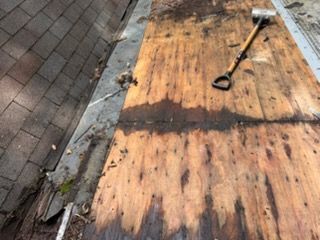
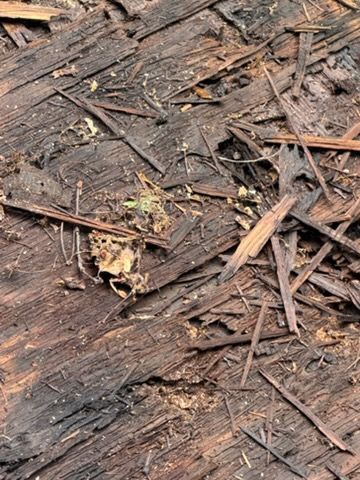
Once demolition began, we uncovered extensive deterioration beneath the surface.
Severe Roof Deck Rot
The roof decking had absorbed moisture for an extended period of time.
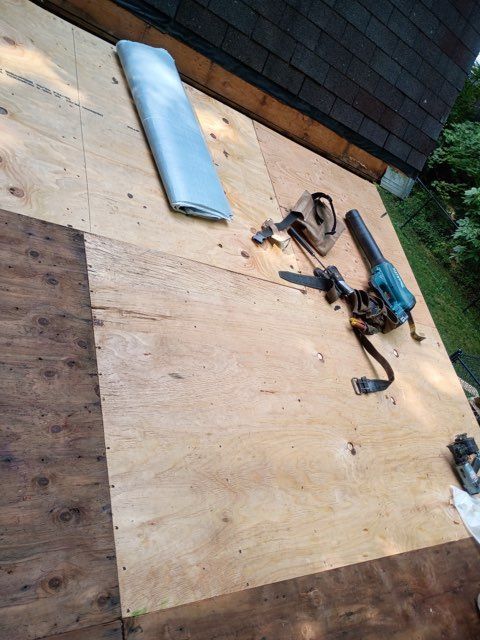
Large sections of sheathing were no longer structurally sound and required replacement.
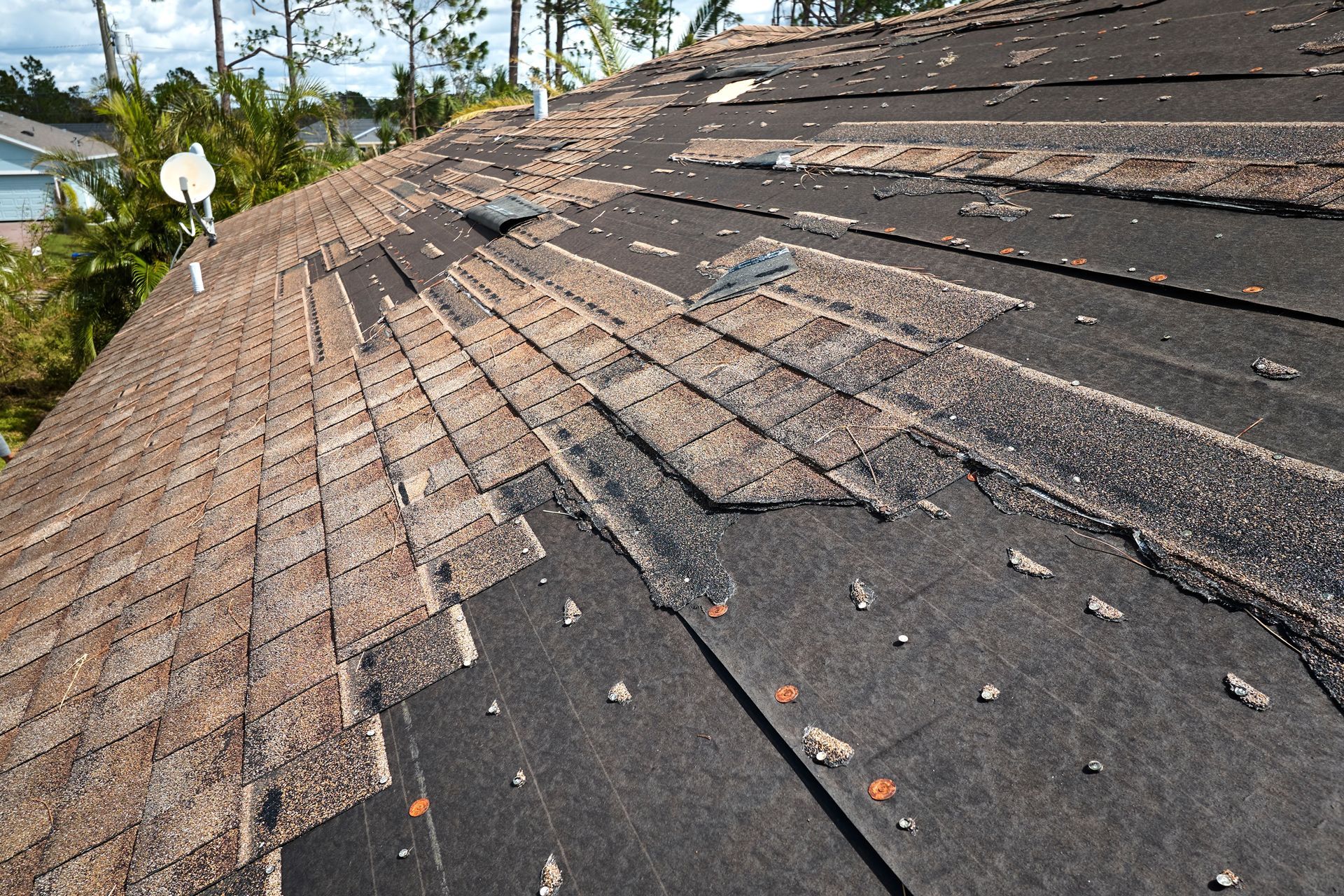
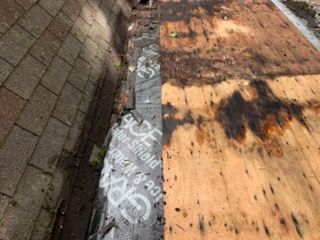
In many cases, homeowners never see this damage because it occurs beneath roofing materials long before stains appear inside the home.
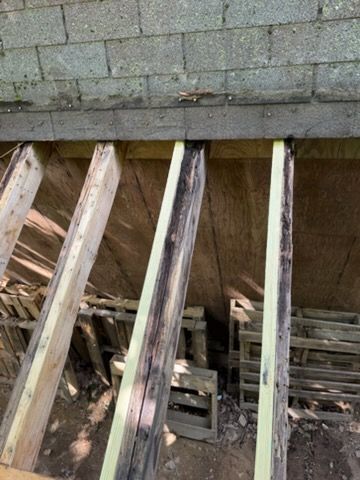
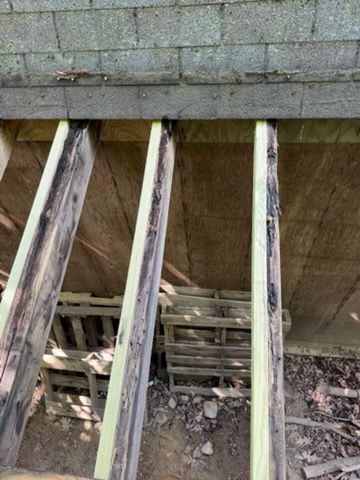
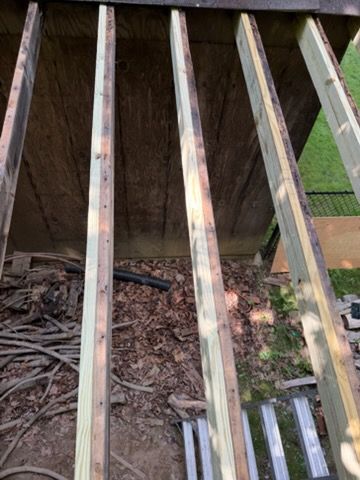
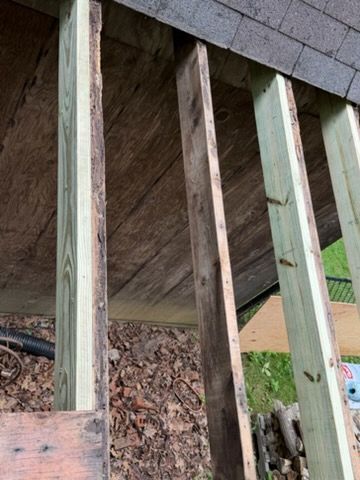
Hidden Water Damage Reached Structural Framing
As we continued removing damaged materials, it became clear that the problem extended beyond the roof deck.
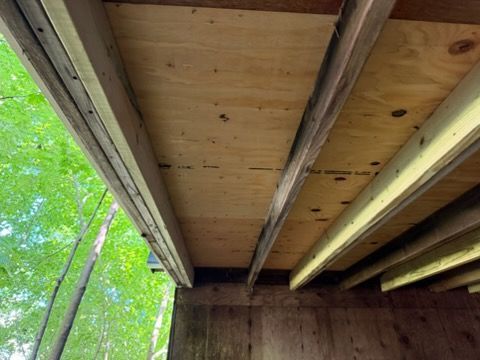
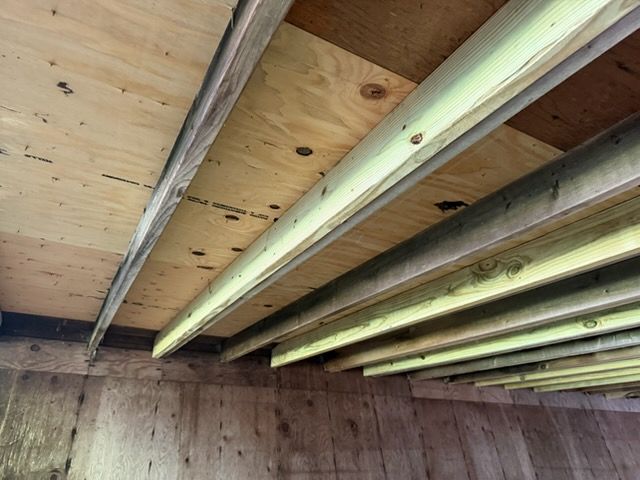
Years of moisture exposure had affected portions of the structural framing. Several rafters required repair to restore structural integrity.
Structural Framing Repairs
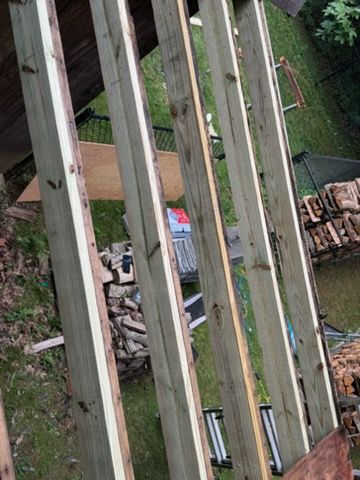
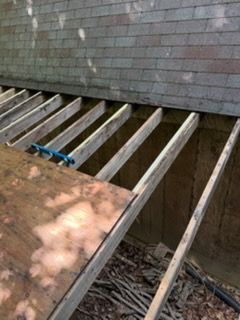
To reinforce the damaged framing, sistered rafters were installed where necessary.
This process involved attaching new structural members alongside the existing framing to restore strength and support.
Structural repairs like these are often preventable when flashing problems are identified and corrected early.
Rebuilding the Roof the Right Way
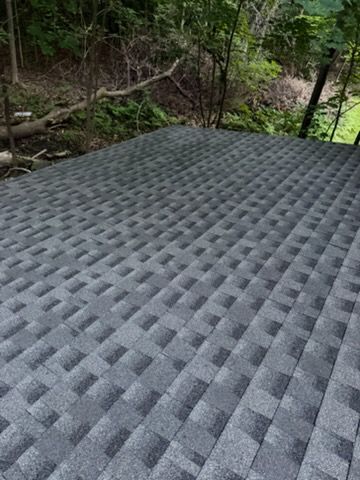
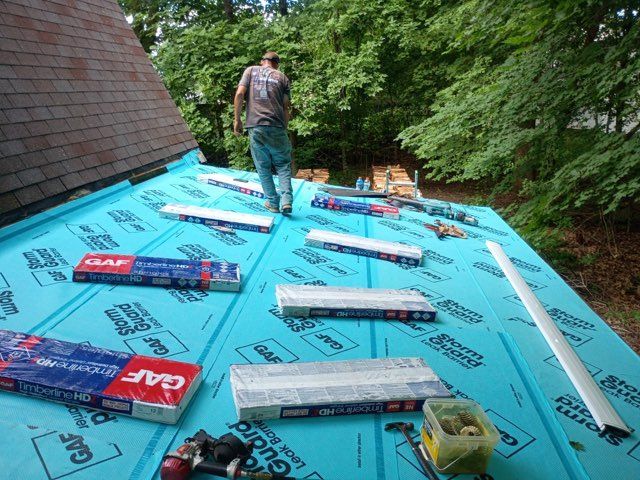
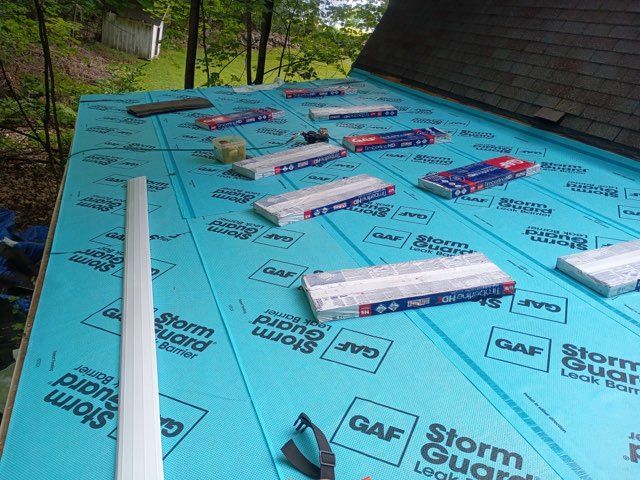
After all deteriorated materials were removed, we rebuilt the affected area from the framing outward.
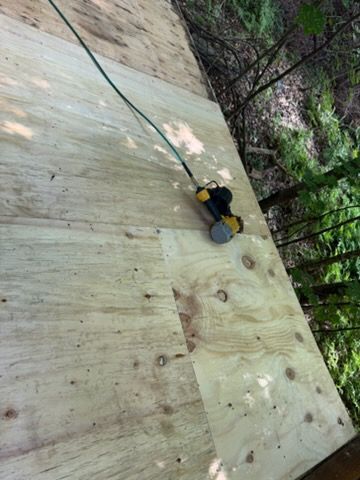
New Roof Sheathing Installation
Damaged decking was removed and replaced with new sheathing to provide a solid structural foundation.

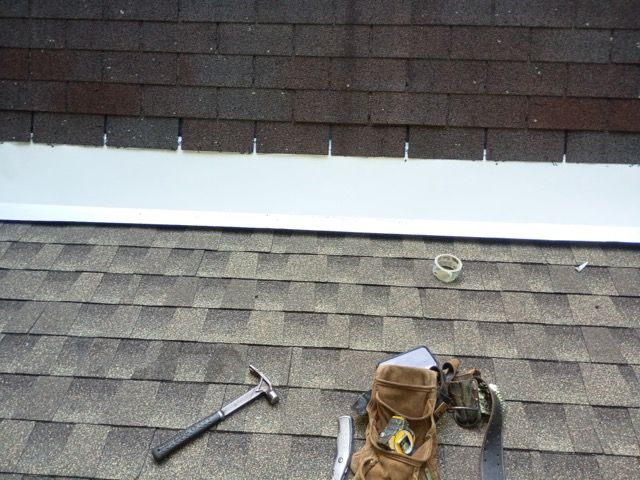
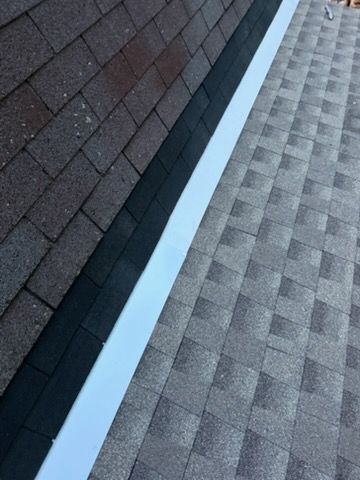
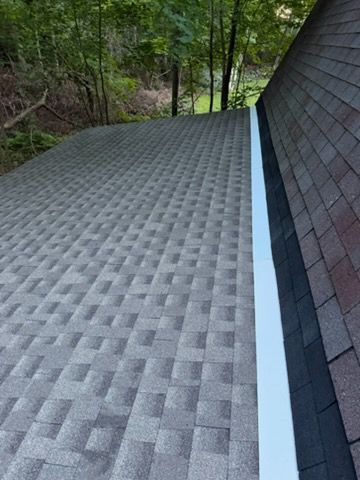
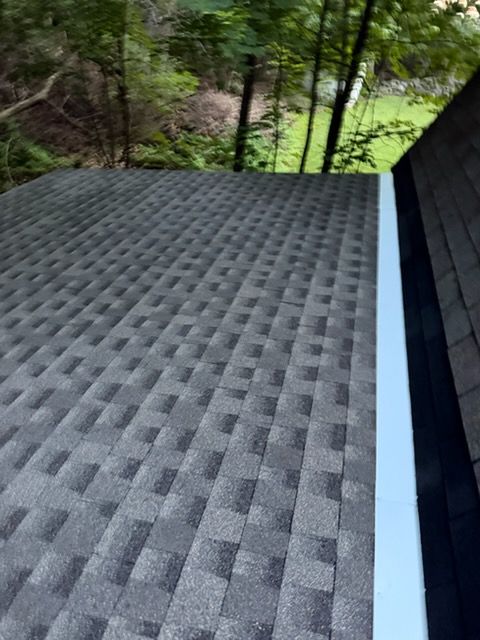
Proper Roof-to-Wall Flashing System
The critical improvement on this project was installing a properly designed flashing system.
Instead of relying on membrane alone, the new assembly incorporated metal pan flashing designed to:
- Direct water away from the wall
- Prevent moisture intrusion
- Allow drainage
- Protect structural components
- Create a long-lasting roof-to-wall transition
Why Water Management Is More Important Than New Shingles
Many roofing problems aren't caused by old shingles. They're caused by poor water management.
A roof can have brand-new shingles and still leak if flashing details are incorrect.
This project demonstrates an important principle we explain to homeowners every day:
- A roofing system is only as good as its weakest transition.
- Areas where roofs meet walls, chimneys, skylights, and other structures require special attention because that's where water naturally concentrates.
- The goal isn't simply to install roofing materials.
- The goal is to control water movement across the entire roofing system.
Warning Signs of a Hidden Roof-to-Wall Leak
Homeowners should watch for:
- Water stains on ceilings
- Peeling paint near exterior walls
- Mold or mildew odors
- Soft roof decking
- Moss accumulation against walls
- Missing or damaged flashing
- Interior moisture after heavy rain
- Sagging roof sections
Even small signs can indicate larger hidden problems beneath the roofing system.
Frequently Asked Questions
What causes roof leaks where the roof meets a wall?
The most common causes are damaged flashing, missing flashing, improperly installed flashing, deteriorated sealants, or water becoming trapped at the roof-to-wall transition.
Can roof flashing fail before shingles wear out?
Yes. Flashing failures are one of the leading causes of roof leaks and often occur long before shingles reach the end of their service life.
How do I know if my roof deck is rotting?
Many homeowners don't know until roofing materials are removed. Soft spots, leaks, sagging areas, and moisture stains can all be warning signs.
Is membrane waterproofing enough to stop roof leaks?
No. Membranes are designed as secondary protection. Proper flashing and water management are still required to direct water safely away from the structure.
Can rotted roof framing be repaired?
In many cases, yes. Depending on the severity of the damage, framing members can often be reinforced or replaced as part of a roofing repair project.
How often should roof flashing be inspected?
Flashing should be inspected whenever a roof inspection is performed and especially after severe weather events or if signs of leaking are present.
Why Professional Roof Inspections Matter
Many of the most expensive roofing problems begin in places homeowners cannot see.
By the time water stains appear inside the home, significant damage may already exist beneath the roofing materials.
Professional inspections help identify:
- Flashing failures
- Hidden leaks
- Roof deck deterioration
- Structural damage
- Drainage issues
- Water management deficiencies
Early detection can prevent thousands of dollars in structural repairs.
Related Roofing Services
To learn more about protecting your home from hidden water intrusion, explore these related services:
- Roof Repair
- Roof Flashing Repair
- Roof Inspections
- Leak Detection Services
- Roof Replacement
- Structural Roof Repairs
- Emergency Roofing Services
Protecting Homes Through Better Water Management
This project serves as a reminder that roofing is about much more than shingles.
Proper flashing, drainage design, and water management are what protect the structural integrity of a home for decades.
When roof-to-wall transitions are installed correctly, water is safely directed away from vulnerable areas.
When they're installed incorrectly, hidden damage can continue for years before it becomes visible.
Our approach is to diagnose the entire roofing system, identify the root cause of problems, and implement repairs that address the source of water intrusion—not just the symptoms.
Because the best roof repairs aren't the ones you can see. They're the ones that prevent future damage before it starts.